







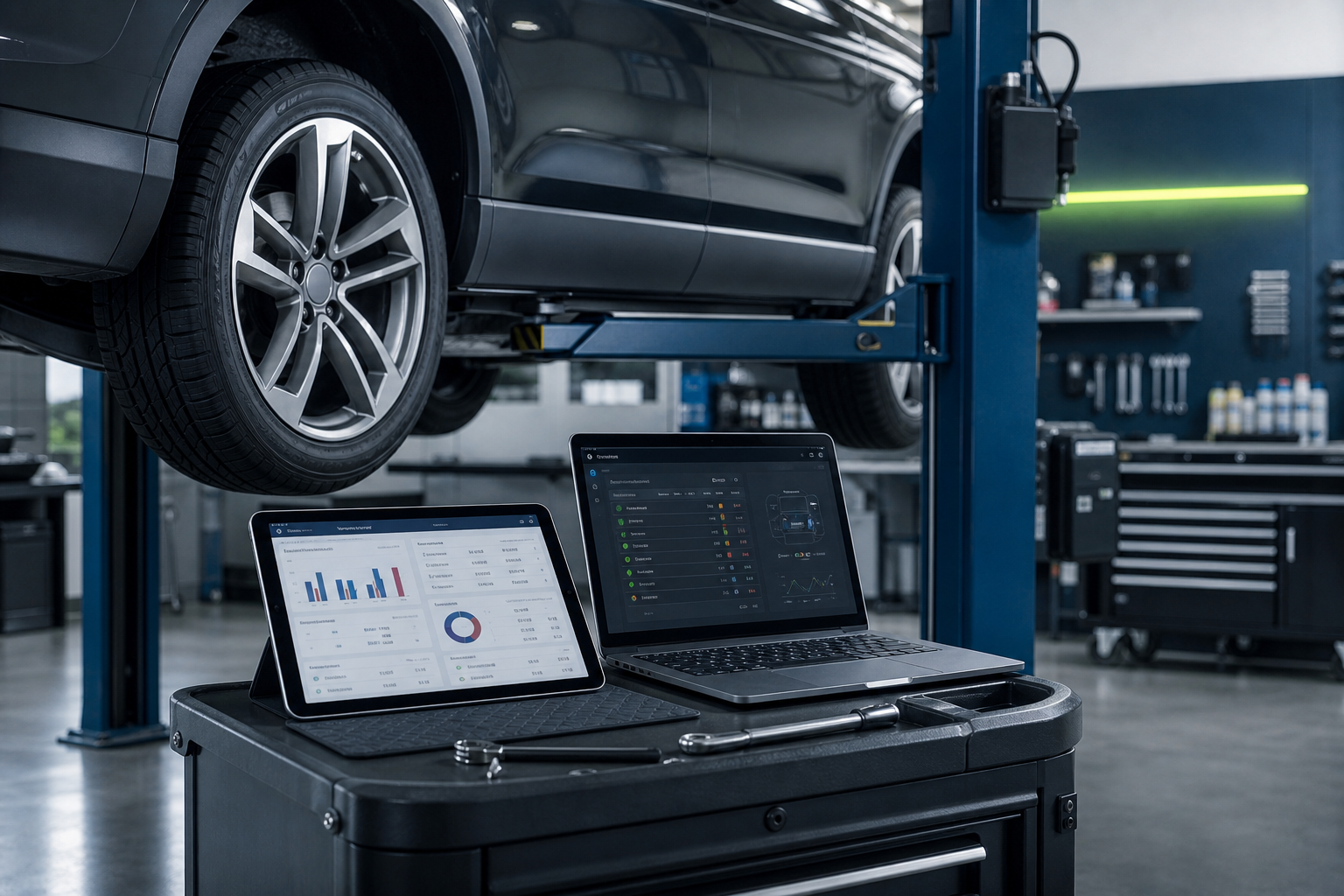
Without maintenance data, pricing talks stay vague
The answer to “is this maintenance expensive?” is rarely in a single invoice line. What did the same job cost before, which parts were used, and is the same fault repeating? Without that context, pricing talks turn into speculation.
Strong maintenance data keeps the work order, mileage, job performed, parts used, service time, and amount in one record. Then operations and procurement look at the same picture.
Metrics that make pricing manageable
- Average maintenance cost by vehicle or model
- Unit-price distribution by job type
- Planned versus unplanned maintenance ratio
- Recurring fault and parts-replacement frequency
- Service-provider performance and turnaround comparison
From data to action
Maintenance data is kept for decisions, not just reports. If brake pads wear early on a given model, usage or supplier quality should be questioned. If the same job swings widely in price by workshop, contract and approval rules need an update.
FleetMole Manager centralizes maintenance and cost tracking, while Smart makes damage and document workflows visible. Together they move a fleet from “learning after the invoice arrives” to “planning ahead.”
In short: if you want to control maintenance pricing, you first need disciplined maintenance data. Price is the outcome of the data.